Academic Affairs Office

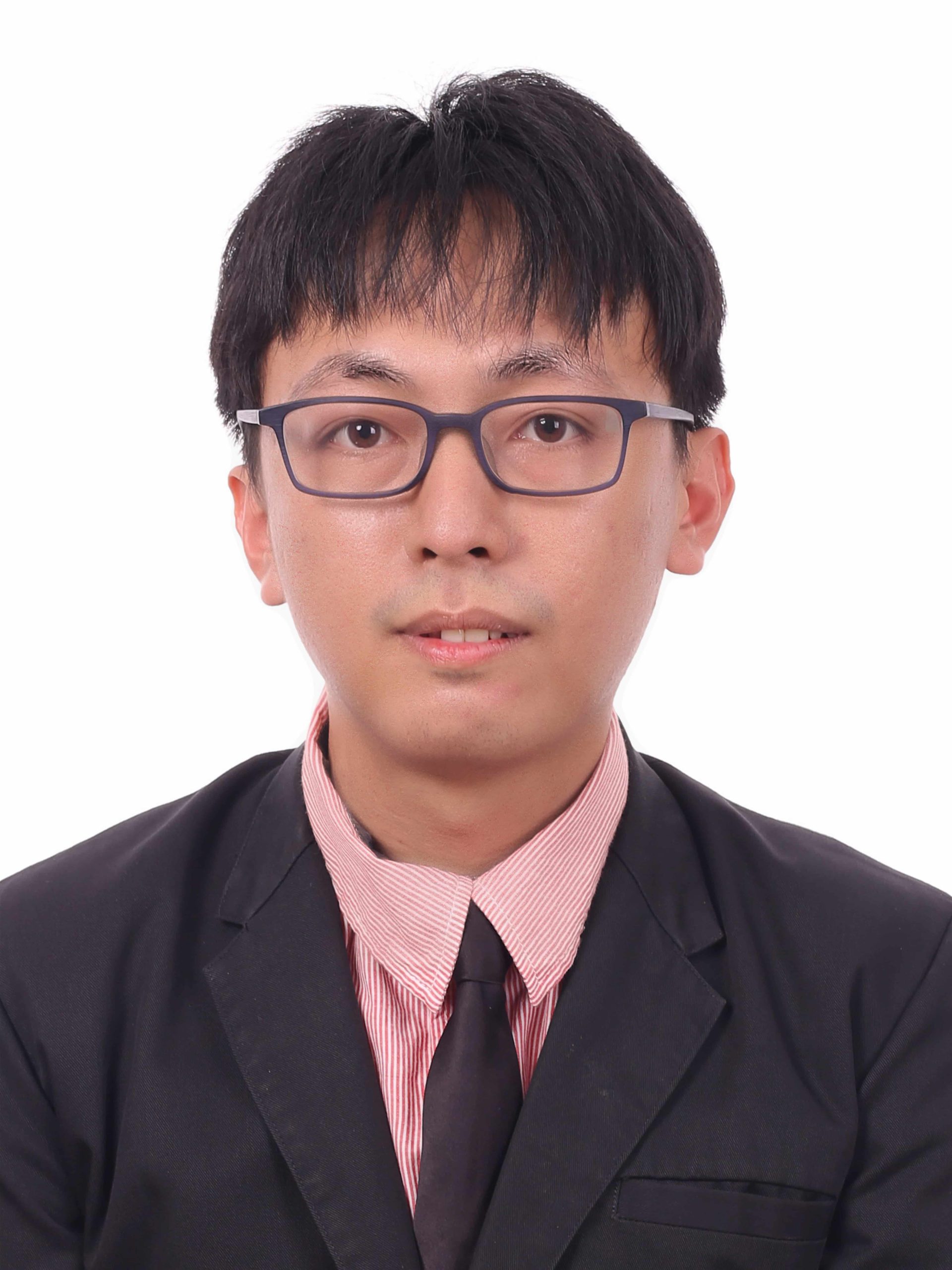
蔡文兴

教务主任

崔家琪

教务助理老师

吴绍宾

教务助理

Promoting a teaching style that places students at the center of the learning process

Educational Policy

Under the leadership of the principal, we implement educational philosophies that embrace the principle of “education for all without distinction,” tailor instruction to individual needs, respect individual differences, and recognize multiple intelligences. We promote a teaching style that places students at the center of the learning process, as well as a learning culture characterized by respect, care, democracy, and scientific rigor.We actively harness favorable resources from both within and outside the school, as well as from home and abroad, to create learning conditions conducive to the autonomous growth of teachers and students, as well as specific conditions conducive to the school’s autonomous development, thereby cultivating Hualian students who possess strong academic abilities, well-rounded personalities, and a spirit of innovation.
Teaching Tasks

Grading Criteria

语文组
Languange Subject
非语文组
Non-Language Subject
美术组
Art Subject
功课 Homework15%15%50%
参与 Participation10%10%10%
多元评量 PBD / Project15%15%-
小考 Quiz15%20%-
大考 Final Exam40%40%40%
口试 Oral5%--

Criteria for promotion and repetition of students

  1. A conduct score of 60 or higher for the entire year.
  2. The annual average is 50 points or higher.
  3. Graduation Requirements
    a. Annual conduct score must be 60 or higher.
    b. Annual overall average must be 50 or higher.
    c. If a senior’s annual overall average does not meet the requirement, the school will still award a diploma provided the student has earned passing grades in at least five subjects on the high school unified examination.
  4. Promotion Requirements for Students Repeating a Grade
    a. Annual conduct score of 70 or higher.
  5. Conditions for granting special permission for ninth-grade students to advance to the next grade based on their standardized test scores.
    a. A year-end conduct score of 70 or higher.
    b. Achieve a passing grade (D) in at least five subjects on the Junior High School Unified Examination.
  6. Students who receive a failing grade in conduct for two consecutive years will be required to withdraw from school.
  7. Transfer students who fail to meet the conduct standards will be required to withdraw from the school.
  8. Students who have been held back must meet the following two conditions to apply for special permission to advance to the next grade:
    a. 90% attendance rate
    b. 80% assignment submission rate
  1. Test-takers must arrive on time . They must arrive at the school 30 minutes before the exam begins. Candidates who arrive more than 30 minutes late will not be permitted to take the exam.
  2. During the exam, it is strictly prohibited candidates:
    (a) bring cell phones, smartwatches, highlighters, correction fluid, or correction tape into the examination room.
    (b) Passing or bringing any books, notebooks, sheets of paper, or notes into the examination room.
    (c) Attempting to peek at another candidate’s answer sheet or intentionally allowing another candidate to peek at or copy one’s own answer sheet.
    (d) Intentionally making noises, reading one’s own answers aloud, or using code signals to reveal answers to others.
    (e) Talking, moving around, smoking, passing stationery, or exchanging answer sheets or answer cards within the examination room.
    (f) Removing any answer sheets (whether used or unused) from the examination room. (Voided or unused answer sheets should be clearly separated and placed beside the desk so that the proctor can collect and dispose of them.)
  3. Test-takers must wear neat school uniforms and present their student ID . Anyone not wearing a school uniform or wearing flip-flops will be denied entry to the exam room.
  4. Candidates must follow the “Exam Room Seating Chart” and must not move or change seats without authorization.
  5. At the start of the exam, test-takers must present student ID in the upper-left corner of their desk to facilitate the proctor’s roll call and inspection. Students who do not have their student ID must apply for a temporary student ID from the Office of Student Affairs.
  6. During the exam, candidates are not permitted to leave the exam room early.
  7. When the invigilator gives the instruction to stop writing,” all candidates should immediately stop writing, sit quietly, and wait for the papers to be collected.
  8. Exam Guidelines:
    (a) Once the exam paper has been distributed, except in cases where the questions are printed illegibly, you may raise your hand to ask questions, but under no other circumstances may you ask questions.
    (b) Before the exam begins, it is strictly prohibited for candidates to flip through the test booklet to peek at the inside pages, and they must immediately write their name and class on the cover page of the test booklet.
    (c) Candidates may only write their answers using a black or blue fountain pen or ballpoint pen.

  9. Candidates who fail to comply with the instructions of the chief proctor or proctors and intentionally disrupt the exam, they will be asked to leave the exam room. In the event of instances of cheating —whether discovered on the spot or uncovered later—will face disciplinary action.
  10. During exam breaks, test-takers are not permitted leave the campus. Candidates are encouraged to bring their own packed lunches or place advance orders at the cafeteria and return to their designated classrooms to eat.
  11. Test-takers must take the exam for any course in which they have attended classes; they may not skip the exam simply because they did not register for that course. If a student is absent from the exam for that course, a score of “0” will appear on their transcript.
  12. During the exam, test-takers must wear a mask and strictly adhere to COVID-19 prevention protocols at all times.
  1. Exam proctors must:
    (a) Pick up the exam papers 10 minutes before the exam starts, according to the exam schedule.
    (b) Enter the exam room at least 5–10 minutes early.
    (c) Write the exam subject and time on the whiteboard.
    (d) Before the exam begins, check the cleanliness of the exam room and ensure that the student on duty carries out their responsibilities.
    (e) At the end of the exam, remind students to turn off the classroom fan and lights and close the classroom door.
    (f) Take attendance and check the student ID cards placed in the upper-left corner of each desk student ID cards placed in the upper-left corner of the desk, and write down the names of absent students on on the whiteboard .
    (g) Only one student is allowed to use the restroom at a time (except in the auditorium, where one male and one female student are allowed at a time).
  2. Candidates are permitted to bring:
    (a) 5B pencils and erasers for filling out the ‘O’ answer sheet and the score sheets for each subject.
    (b) Candidates may only use black or blue
    (c) Candidates must bring their own mathematical instruments and other necessary stationery, it is borrow them from the candidate sitting next to you. If necessary, please raise your hand to request assistance.
    (d) Candidates taking the Unified High School Examination are permitted to use Casio fx-570MS, Casio fx-350MS, Canon F-788SG, or Olympia ES-570MS models; all other electronic calculators are strictly prohibited.
  3. During the exam, it is strictly prohibited candidates:
    (a) bring cell phones, smartwatches, highlighters, correction fluid, or correction tape.
    (b) pass or bring any books, notebooks, sheets of paper, or notes into the examination room.
    (c) Attempt to peek at another candidate’s answer sheet or intentionally allow another candidate to peek at or copy their answer sheet.
    (d) Intentionally make noises, read their answers aloud, or use code signals to convey answers to others.
    (e) Talking, moving around, smoking, passing stationery, or exchanging answer sheets or answer cards within the examination room.
    (f) Taking any answer sheets (whether used or unused) out of the examination room. (Voided or unused answer sheets should be clearly separated and placed beside the desk for the proctor to collect and dispose of.)
    (g) Bringing outerwear into the examination room, unless prior approval has been obtained from the Student Affairs Office or the Chief Proctor. (Proctors must inspect outerwear, and all outerwear must remain in the examination room throughout the exam.)
    (h) Bringing containers such as pencil cases or eyeglass cases into the examination room.
  4. Test-takers must wear neat school uniforms and carry their student ID . Those who do not meet the appearance standards will not be permitted to enter the exam room.
  5. Candidates must comply with the “Exam Room Seating Chart” and must not move or change seats without authorization.
  6. During the following times, candidates must not leave leave the examination room ;
    (a) During the examination period for Paper One.

    (b) Within half an hour after the start of Paper 2.
    (c) Within the last fifteen minutes of the Paper 2 exam.

  7. When the proctor gives the instruction to “stop writing,” all test-takers should immediately stop writing, tie their answer sheets securely according to the question numbers, and sit quietly until the answer sheets are collected.

  8. Candidates who fail to comply with the instructions of the chief proctor or proctors and intentionally disrupt the exam, they will be asked to leave the exam room. In the event of instances of cheating —whether discovered on the spot or uncovered afterward—their answer sheets will be invalidated, their scores will be recorded as zero, and they will receive a major disciplinary penalty.

  9. Once the exam proctoring assignments have been finalized, do not swap them without authorization.

  10. The teacher in charge of collecting the exams must record the number of exams collected on the exam collection log and sign it, then submit the exams to the Office of Academic Affairs for counting and verification. Please do not hand the exams over to anyone else.